
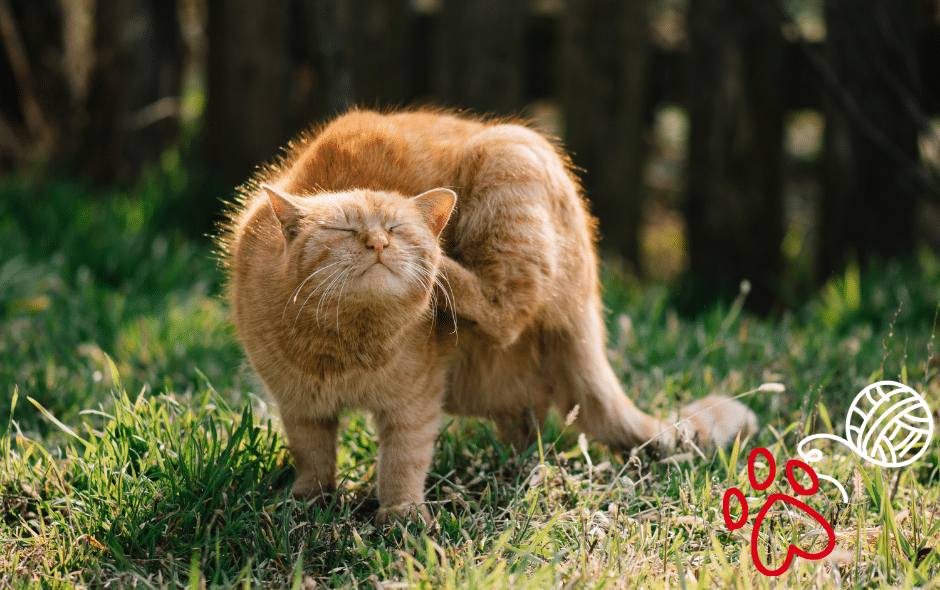
If your pet has been scratching, licking, or chewing more than usual lately, you’re not alone.
Every spring here in Lyman, we start hearing the same question from pet owners:
“Why is my dog or cat scratching so much?”
As the weather warms up and everyone spends more time outside, we also start to see more pollen, fleas, ticks, and other irritants that can make pets pretty uncomfortable.
If your dog or cat just can’t seem to stop scratching, our team at Lyman Vet is here to help. We see this all the time, and in most cases, there’s a clear reason—and a way to get your pet feeling better.
Why Pets Itch and Scratch More in Spring in Lyman, SC
Spring in Lyman and the Upstate brings warmer temperatures, blooming plants, and higher humidity—all of which can trigger skin issues in dogs and cats.
One of the most common causes is environmental allergies. Dogs can react to pollen, grass, and mold just like people do. In our area, that often shows up as constant scratching, paw licking, red skin, or recurring ear infections.
Fleas and ticks are another big factor. As temperatures rise, these parasites become more active. Even a single flea bite can cause intense itching in sensitive dogs and cats. Itchiness in cats often shows up as an increase in grooming behavior.
As dogs and cats scratch and chew, their skin can become irritated and damaged. This often leads to secondary skin infections, like bacteria or yeast overgrowth, which can quickly make things worse and lead to hot spots or hair loss.
More time outdoors also means more exposure to contact irritants like lawn treatments, fertilizers, and certain plants that can irritate your pet’s skin.
Some dogs and cats may also have food allergies, which tend to cause year-round itching but can flare up during seasonal changes. You might notice ongoing ear infections, frequent paw licking, or an increase in grooming behavior.
Dry skin can also play a role during seasonal transitions, especially with changes in weather or bathing routines.
And while less common, mites (like mange or ear mites) can cause intense itching and usually require veterinary treatment. Kittens and outdoor cats are especially prone to itchy ear mites.
Because several of these issues can happen at the same time, figuring out the root cause is the key to getting your pet real, lasting relief.
When Is Itching a Problem?
A little scratching here and there is normal, but if your pet is itching constantly, it’s usually a sign something isn’t quite right.
If your dog or cat seems uncomfortable or can’t settle down, it’s time to take a closer look.
Signs it’s time to see your vet:
- Ongoing scratching or itching
- Red, irritated, or inflamed skin
- Hair loss
- Sores, scabs, or hot spots
- Frequent ear infections
- Changes in behavior (restlessness, irritability)
If you’re seeing any of these, it’s best not to wait. Skin issues tend to get worse over time, and the sooner we take a look, the easier it is to get things under control.
How We Treat Itchy Pets at Lyman Vet
When you bring your pet to Lyman Vet, we focus on finding the cause of the itching, not just covering it up.
We’ll take the time to learn about your dog or cat—what they’ve been experiencing, their routine, and anything that might be contributing to the problem. From there, we put together a treatment plan that fits their specific needs.
That might include medication to help with itching and inflammation, treatment for infections, allergy support, and making sure your dog or cat is fully protected from fleas and ticks. If needed, we can also talk through diet to see if food sensitivities might be playing a role.
Our goal is simple: help your pet feel comfortable again and keep the problem from coming back.
What You Can Do at Home (Starting Today)
There are a few simple things you can do at home that may help reduce itching.
Staying consistent with flea and tick prevention is especially important in our area.
Wiping your dog’s paws after they come inside can help remove pollen and debris. Bathing with a veterinarian-recommended shampoo can help soothe the skin, and washing bedding regularly can also make a difference.
These steps can help, but if your dog or cat is still uncomfortable, it’s a good idea to have them checked so we can get to the root of the problem.
Looking for a Vet in Lyman, SC?
If your pet is scratching, uncomfortable, or just not acting like themselves, we’re here for you.
At Lyman Vet, we’re proud to care for pets in Lyman and the surrounding communities. We take a personal approach and treat every pet like they’re our own.
If you’re concerned about your dog or cat, give us a call or schedule an appointment. We’ll help you get answers and get your pet feeling better.
Frequently Asked Questions
Why is my dog or cat scratching so much but has no fleas?
Dogs or cats that are sensitive to flea saliva don’t have to have live fleas on them to experience itchiness. In most cases, we don’t find an active flea infestation. The saliva from a single flea bite can cause uncomfortable inflammation and itchiness in our pets.
Aside from flea allergies, many pets in our area deal with environmental allergies, especially in the spring. Pollen, grass, and mold are common triggers.
What is the best treatment for an itchy dog?
That depends on what is causing the problem. A veterinary exam helps us figure out the root cause so we can choose the right treatment.
When is allergy season for pets in South Carolina?
Spring and fall are the most common times, but some pets have symptoms throughout the year.
Can allergies be cured?
Most allergies are managed rather than cured, but with the right plan, pets can stay comfortable and live normal, happy lives.